



A mineral resource is an estimate of the quantity and grade of mineralisation with reasonable prospects for eventual economic extraction.
Context and background
Once mineralisation has been identified and drilling has established continuity, companies may move to define a mineral resource. This marks a significant milestone in the mining project lifecycle.
However, a mineral resource does not confirm that a mine will be built. It represents a geological estimate based on available data, technical interpretation, and specific reporting standards.
Understanding what a mineral resource is, and how different categories reflect varying levels of confidence, helps investors interpret exploration announcements more accurately.
The formal definition
In Australia, mineral resources are reported in accordance with the JORC Code. The Code defines a mineral resource as a concentration of material of economic interest in such form, grade, or quality that there are reasonable prospects for eventual economic extraction.
This definition includes two key elements:
- Geological confidence in the estimate
- An assessment that extraction could be technically and economically viable under realistic assumptions
A mineral resource reflects potential. It does not represent proven profitability.
How resources are estimated
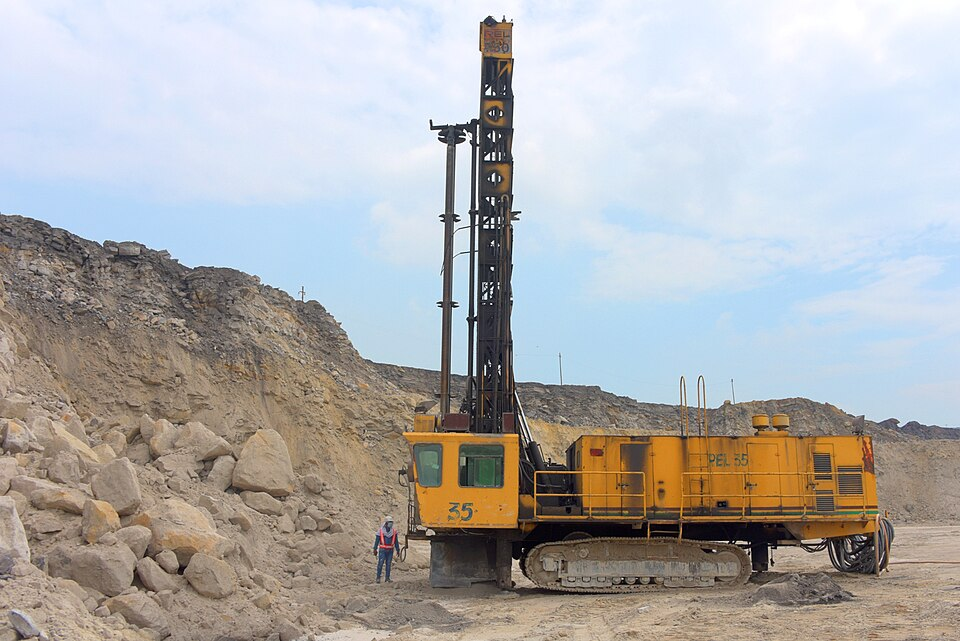
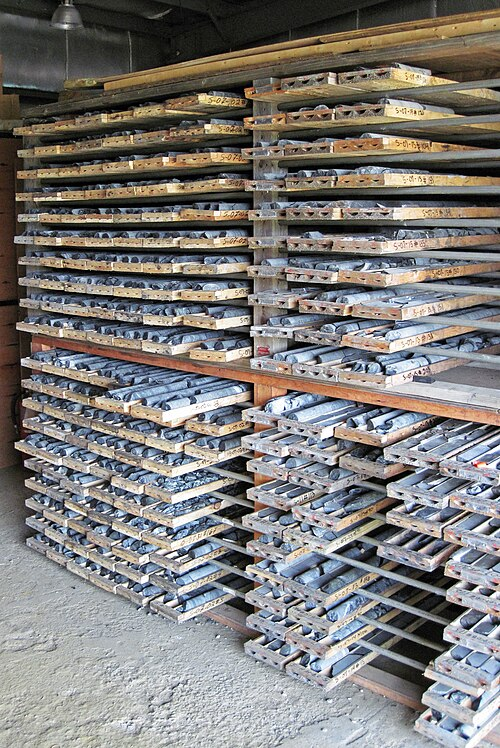
Resource estimation relies primarily on drilling data.
Geologists use drill hole information to:
- Model the geometry of mineralisation
- Estimate grades across defined volumes
- Apply statistical techniques to calculate tonnage
The resulting estimate expresses the size of the mineralised material and its average grade. These figures are typically reported as tonnes and grade, such as millions of tonnes at a specified concentration.
As drilling density increases, confidence in the estimate improves.
Resource classification categories
The JORC Code requires mineral resources to be classified into three categories based on confidence levels:
- Inferred
- Indicated
- Measured
These categories reflect the quality, quantity, and spacing of data.
Inferred resources
An inferred resource represents the lowest level of confidence.
It is based on limited drilling and geological evidence that suggests mineralisation exists but does not confirm continuity with high certainty.
Inferred resources cannot support detailed mine planning or serve as the basis for reserve estimation. They indicate potential rather than reliability.
Indicated resources
An indicated resource carries a higher level of confidence.
Drilling density is sufficient to assume geological continuity with reasonable certainty. This category allows for preliminary mine planning and economic evaluation.
Indicated resources may contribute to ore reserve estimates after further study.
Measured resources
A measured resource represents the highest level of geological confidence.
Drilling is dense and detailed enough to confirm continuity and grade distribution with strong reliability. Measured resources provide the foundation for detailed mine planning.
Measured resources may be converted into proved reserves if economic studies support development.
Reasonable prospects for extraction
A mineral resource must demonstrate reasonable prospects for eventual economic extraction.
This does not require a full feasibility study, but it does require geologists to consider:
- Mining methods
- Processing options
- Cut-off grades
- Infrastructure and location
If mineralisation cannot reasonably be extracted under foreseeable conditions, it should not be classified as a resource.
This requirement distinguishes mineral resources from purely geological observations.
Limitations of mineral resources
A mineral resource does not guarantee economic viability.
Key limitations include:
- Commodity price uncertainty
- Operating and capital cost assumptions
- Metallurgical recovery uncertainty
- Regulatory and permitting risks
Resource estimates are based on available data at a specific point in time. As additional drilling occurs or market conditions change, estimates may increase, decrease, or be reclassified.
This dynamic explains why resource figures evolve throughout a project’s life.
Resources versus reserves
A mineral resource differs from an ore reserve.
Resources describe what exists in the ground with geological confidence. Reserves represent the economically mineable portion of a resource, supported by detailed technical and economic studies.
All reserves originate from resources, but not all resources become reserves.
This distinction is critical when interpreting company announcements and valuation metrics.
Why classification matters
The classification category influences how a project is perceived and valued.
Early-stage projects often report inferred resources. As drilling continues and studies advance, portions of the resource may be upgraded to indicated or measured.
Higher-confidence categories reduce geological uncertainty and support development decisions. Markets often respond positively to resource upgrades because they signal reduced risk.
However, classification changes reflect improved confidence, not necessarily increased size.
Why it matters
Mineral resources represent a transition point between exploration and development.
For investors, understanding resources helps clarify:
- Why early-stage projects focus on growing tonnage
- Why upgrades between categories attract attention
- Why resources alone do not guarantee production
Resources quantify geological potential, but further work determines whether that potential can be realised.
Conclusion
A mineral resource is an estimate of mineralisation with reasonable prospects for eventual economic extraction, classified according to geological confidence.
Inferred, indicated, and measured categories reflect increasing levels of data quality and certainty. While resource estimates mark important milestones, they represent potential rather than confirmed profitability.
Understanding mineral resources provides essential context for evaluating mining projects as they progress through the lifecycle.
Images: Wikimedia Commons & RawPixel
This resource is made possible through our collaboration with MDF Global, reflecting its ongoing commitment to elevating the standard of discourse within the Australian resources sector. Together, we are providing the specialised knowledge necessary for the next generation of industry leaders and investors to identify value in an increasingly complex global landscape.


